Posts

Showing posts with the label cutting discs

Types of Diamond blades by manufacturing method

Image
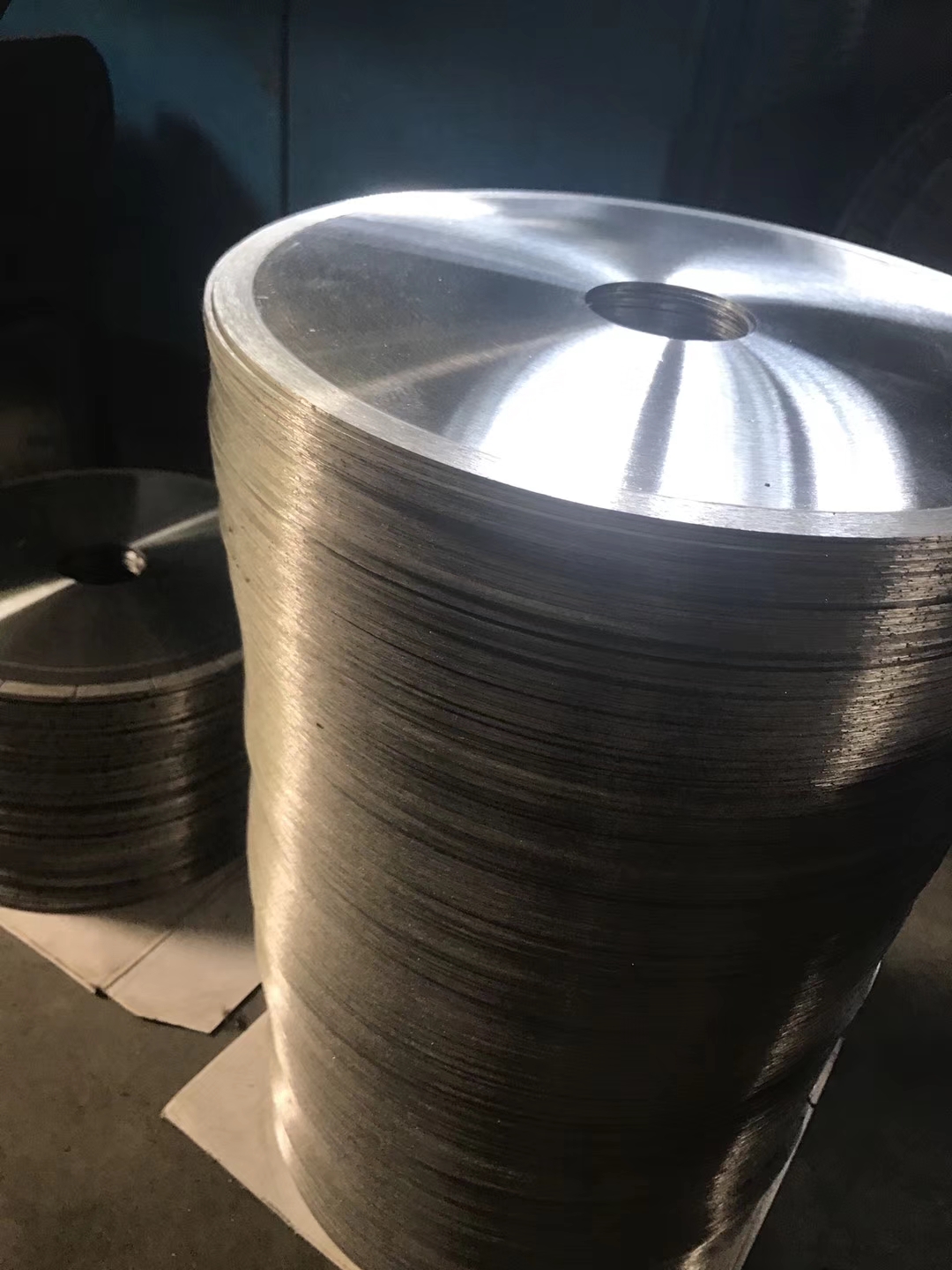
Diamond blades are catalogued by manufacturing method: 1. Electroplated diamond blade Diamonds are electroplated onto the metal blade base. Electroplated diamond blades can be made to be very thin. The thickness of the blade can be tens of microns and can be used in precise cuttings. Actually, the Bond is Nickel. 2. Vacuum Brazed diamond blade Synthetic diamond particles are welded to the outside edge of the circular saw blade via a vacuum brazing furnace. All of the diamond particles are on the exterior cutting edge of the blade, with no metal/diamond mixture. When using a vacuum brazed diamond blade you need not match the type of blade with the material being cut. Depending on the manufacturers recommended blade application, vacuum brazed blades will cut a wide variety of material ranging from concrete to masonry, materials like stone and brick, to steel, various irons, even plastic, tile, wood & glass. Always consult your blade manufacturer for a full list of...
The Significance of Diamond Segment Height

Image
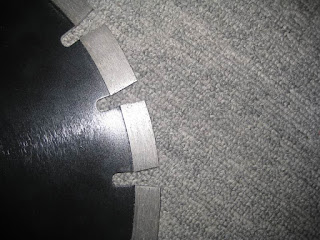
Total Diamond segment heights may be misleading because of non-diamond bearing segment bases necessary for the laser welding or brazing process. That is why JDR shows you exactly how much of each segment has diamonds and can actually be used to cut. Diamond blade segment height by itself is not a true measure of a blade segment height by itself , not a true measure of a Diamond blade value. Many other factors affect a blade’s performance and consequent value. Consider the diamond size, concentration and quality, the hardness of the bond, the cutting power (torque) of the saw, and how well the blade specification is matched to the material being cut. Drop segment

Wet or Dry Operation of diamond blade

Image
How to use diamond blade by wet or dry operation Wet Diamond blade products must be used with water to keep the segments cool during operation. Water also assists the product to perform at its max, efficiency. Cutting without water on the products will cause excessive heat resulting in poor performance and diamond blades damage in the form of cracks in the steel center. For concrete floor saws , wet cutting is usually preferred because you can cut deeper when using water as a coolant. For tile and masonry saws,either wet or dry cutting tools can be used. Dry diamond blade  products must be cooled with airflow around the tool to dissipate the heat.Dry cutting blades are only reccommended for intermittent cutting. Every 10-15 minutes the diamond blades should be allowed to rotate out of the cut at maximum rpm for serveral seconds to allow the blade to cool. Operators of diamond blade should not use dry diamond blades for long continuous full depther sawing in ...